By Lynette Elliott
Lynette lives in Sydney, Australia and is a member of the TCC Oceania Chapter.
Famous for its stunning beaches and natural environment, Margarita Island was once a “must-visit” destination on the Southern Caribbean island cruise circuit. These days, most visitors are Venezuelan or Russian tourists, and a lot of the tourist infrastructure is run-down. It’s still a great place to visit, though, with a relaxed vibe, no obvious security issues, and just a short flight from Caracas.
Itinerary
I had two days on Margarita Island, which was enough to see the main historical sights and beaches in the eastern part of the island. Visiting the Laguna de La Restinga National Park in the centre of the island, with its saltwater lagoon and mangroves, would require another day.
Getting There
Apart from some tourist charter flights, e.g. Russian, arrival in Margarita Island by air is from Caracas. A range of carriers, like Avior, Venezolano, etc., fly the 50-minute route with airfares between US$120-$200 return.
Immigration
I arrived in Caracas from Port of Spain (at the time, there was one flight a week) with Caribbean Airlines. Traveling on an Australian passport, no visa was required. ID checks are completed at the airport leaving Caracas and upon arrival on Margarita Island. There were no road checkpoints or visible police presence on the island. Editor note: visa requirements are rapidly changing, so double check the new rules.
Where to Stay
I stayed at the SunSol Isla Caribe resort at Tirano Beach in the northeast of the island (kind of a Club Med type model) which I don’t recommend. If going again, I would stay in lovely Pampatar in a boutique hotel near the waterfront or Playa El Agua.
Getting Around
The roads are pretty good – easy driving if you want to rent a car, though there were long lines for fuel in some places. I booked a driver to take me around the historical sites and many beaches. Cost was US$60.
I booked most of my Venezuela activities through Osprey Expeditions. On Margarita Island, I used Viajes Indigo for driver/car and airport transfers. I was very happy with them, but Spanish only. In general, I found it hard to get responses from Venezuelan travel agents and, on the island, there didn’t seem to be any group tour activities.
Things to See
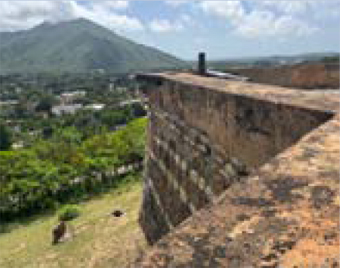
Castillo de San Carlos de Borromeo: This well-preserved 17th-century fortress offers panoramic views of Pampatar Bay. Unfortunately, I had to admire it from the outside as was shut the day I visited.
Castillo de Santa Rosa: This fortress is famous for its history during the War of Independence and its views over the valley and La Asunción. Fortín de la Galera: This fort played a key role in the island’s historic defence and overlooks the bay of Juan Griego. Good sunset spot.
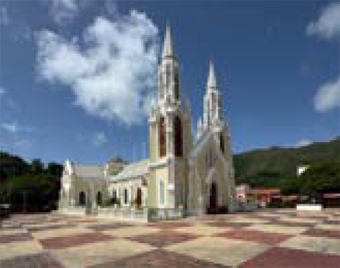
Basílica Menor Nuestra Señora del Valle: Located in El Valle del Espíritu Santo, this neo-Gothic church is a major pilgrimage site.
Faro Punta Ballena (Pampatar Lighthouse): A 28-meter lighthouse you can climb for a 360-degree view of the salt flats and the coastline.
Towns
La Asunción town centre: Sleepy, historic centre with government buildings and cathedral.
Pampatar: Very pretty coastal town that is a popular tourist hub. Lots of hotels and restaurants.
Porlamar: Is the commercial centre, not far from the airport – I didn’t bother visiting.
Beaches
The island is rightly famous for its beaches. I particularly loved Playa El Agua with its rows of swaying palm trees and there are quite a few hotels and tourist infrastructure. Playa El Caribe is also lovely with many seafood restaurants and long, golden sands.
References
- OspreyExpeditions.com / +58 414-3104491
- Viajes-Indigo.com / +58 412-8402295